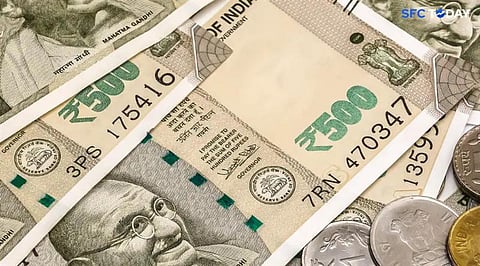

The Indian rupee has been facing a tough time lately, and it's essential to understand what's happening. Here's a breakdown of the key factors contributing to the rupee's slide:
The rupee's decline is largely due to global uncertainties and escalating US tariffs on Indian goods. This makes Indian products more expensive abroad, reducing export competitiveness. As a result, foreign investors are pulling out money from the Indian market, weakening the rupee.
Foreign investors have withdrawn nearly $18 billion from Indian equities in 2025, citing earnings downgrades and better opportunities elsewhere. This massive outflow has put pressure on the rupee, making it Asia's worst-performing currency.
The Reserve Bank of India (RBI) has been actively intervening in the foreign exchange market to stabilize the rupee. However, despite spending billions of dollars, the rupee continues to slide. Critics argue that the RBI's actions may be counterproductive, potentially leading to a loss of credibility and market confidence.
India's trade deficit has widened, and inflation remains a concern. The RBI's decision to cut interest rates aims to boost growth, but it may also lead to further depreciation. A weaker rupee can make imports more expensive, affecting businesses and consumers.
Experts predict the rupee may touch 92-94 against the US dollar in 2026, citing delays in the India-US trade deal and weaker nominal GDP growth. However, some analysts believe the rupee is undervalued and may correct once the trade agreement brings clarity.
The rupee's recent slide is mostly influenced by global uncertainties, foreign investor outflows, and RBI's intervention. While experts predict further depreciation, India's strong macroeconomic fundamentals and potential trade deals may provide stability.