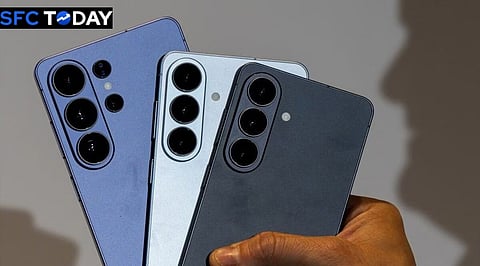


India’s smartphone buyers are facing an unexpected pinch. Popular brands such as Vivo, Samsung and Oppo have raised prices sharply, with some models now costing up to 40% more than they did just weeks ago.
For many consumers, the impact is immediate. Phones that once felt affordable are now slipping out of reach. A handset that cost around Rs. 10,000 now sells closer to Rs. 14,000, pushing buyers in a price-sensitive market to think twice before upgrading.
The price hike can be attributed to a shortage of supply across the globe. The memory chips used in making smartphones have increased in price due to higher demand in developing artificial intelligence infrastructure.
It is forcing companies like NVIDIA to concentrate on their development and thus causing a shortage in the consumer market. Rising geopolitical uncertainty and higher logistics costs have pushed up production expenses, leaving smartphone makers in India, already working with thin margins, struggling to keep up.
The effect has been quite noticeable in the lower to mid-level segments. This is because most of the smartphone sales happen in India in this segment, especially among first-time users and buyers of upgrade versions.
There has been a drop in the number of customers visiting shops in recent weeks. Some consumers are either postponing their purchases or looking to buy refurbished phones. The once crowded range of Rs. 10,000-15,000 is now becoming thinner.
The industry specialists are convinced that it is not a temporary trend. The increasing influence of artificial intelligence along with continuous semiconductor shortages may drive the prices higher through the year 2026.
As far as India goes, the emergence of such a trend is likely to raise certain issues for the nation. Cheap smartphones were responsible for the expansion of the Indian internet over the past decade. Rising prices are likely to halt its progress.