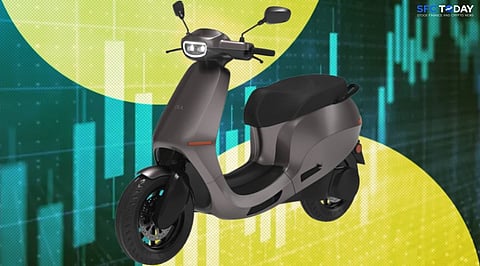

April was not a great month for India's electric vehicle industry as showrooms reported thin footfall. Dealers also adjusted stock levels downward. Even buyers held back. The numbers, when they arrived, confirmed what many in the trade had already sensed: the market had slowed. However, Ola Electric had a different plan to stay ahead in the competition.
The Bengaluru-based manufacturer recorded a 20% month-on-month jump in vehicle registrations through April. Fresh April EV registration data placed the company ahead of most rivals at a time when the rest of the segment was fighting for ground.
Industry-wide electric scooter sales took a hit last month. Reduced central government subsidies tightened the value equation for buyers. Seasonal patterns pulled demand lower. Several manufacturers found themselves sitting on unsold inventory with no immediate relief in sight.
Ola Electric kept its pipeline moving. Pricing on the S1 range stayed sharp. The company's delivery and service network, which expanded steadily over the past year, absorbed the pressure. Orders cleared on time. EV registrations growth held where others lost ground.
The trading floor noticed. Ola Electric's share price moved up more than 3% after the April figures went public. Fund managers and retail investors both pointed to the same thing: the company demonstrated it could hold volume without leaning on policy support.
EV market share in India data for April showed a clear separation between manufacturers built for the long run and those still dependent on subsidy cycles. The Electric Mobility Promotion Scheme 2024 reshuffled the deck. Some companies are still sorting their hand. Ola Electric, for now, appears to have found its footing.
April handed Ola Electric something competitors will study closely: proof that electric scooter sales can grow during a down month when operations are tight, and the product stays relevant. The second quarter begins with the gap visible and the pressure mounting on everyone else to close it.