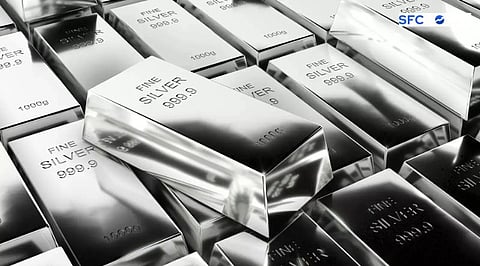

Market analysts are issuing stark warnings about silver prices, cautioning that the white metal could plunge by as much as 60% from its peak levels despite a remarkable 180% rally in 2025. The concerning forecasts come as silver trades significantly below its recent record high near $84 per ounce, having already corrected nearly 14% following a dramatic late-December crash.
Global strategist Amit Goel of Pace 360 has characterized the current silver market as a "classic commodity bubble" detached from fundamental economic realities. Speaking with financial media, Goel compared the situation to historical market manias including the 2008 oil peak and the dot-com bubble, predicting an imminent burst that could see prices decline 50-60% over the next year to eighteen months.
The warning signs are numerous and alarming. The gold-silver ratio has collapsed from 108 to 54, while greed indicators are showing levels higher than those observed during silver's infamous 1980 peak. Most tellingly, silver exchange-traded funds have experienced outflows even as prices climbed, suggesting the rally is driven by speculation rather than genuine investment demand.
Market specialists emphasize that elevated prices threaten silver's long-term industrial demand. Industries typically seek alternatives when raw material costs rise too sharply, and this pattern is already emerging. Solar panel manufacturers have shifted toward copper-based solutions, while battery producers are exploring copper-binding alternatives to reduce their dependence on silver.
Historical precedents support the bearish outlook. Silver witnessed devastating crashes in both 1980 and 2011, declining as much as 75% after strong rallies. Rising margin requirements and liquidity tightening played crucial roles in both collapses—a pattern that could repeat if current elevated prices persist.
The recent volatility was amplified by the CME Group's decision to increase margin requirements to $25,000 per contract, forcing smaller traders to liquidate positions. This move, combined with year-end thin trading and aggressive profit-taking, triggered a flash crash that sent prices tumbling from nearly $84 to approximately $73.72 per ounce.
While short-term volatility may push silver higher through institutional short covering, analysts believe any further gains could be capped near $100 per ounce by early 2026. Beyond these levels, forecasts turn decidedly bearish. By the end of fiscal year 2027, silver prices could potentially fall to $35-$40 per ounce, representing a downside risk of up to 60% from peak levels.
Given this outlook, financial experts strongly advise retail investors to exercise extreme caution. The recommendation is clear: avoid establishing fresh long positions until price stability returns and fundamental support strengthens. Those already holding silver should carefully evaluate their risk exposure as the market navigates this precarious period.