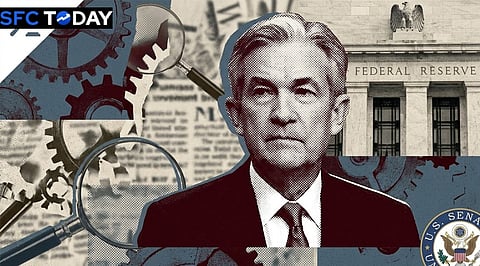

The confirmation process for Federal Reserve chair nominee Kevin Warsh is facing uncertainty as Senate Democrats express their concern over his asset divestment plan before the April 21 Banking Committee hearing. The scrutiny comes as prediction markets signal low confidence in a swift confirmation timeline.
Warsh, with a reported net worth of $100 million, has committed to selling off assets that do not meet the ethics requirements of the Federal Reserve. The Democratic legislators, however, say that his plan is not transparent enough.
According to a report by minority members of the Senate Banking Committee, “Warsh has not provided key details regarding his plans to divest his assets,” which raises the questions of who will purchase such assets and how conflicts of interest can be well addressed.
The association of Warsh with a billionaire investor, Stanley Druckenmiller, also raised concerns among lawmakers. The report said, “The vast majority of Mr. Warsh’s assets are tied to Mr. Druckenmiller,” adding that such a relationship could complicate efforts to ensure impartial decision-making if Warsh assumes leadership at the central bank.
The ethics program at the Federal Reserve, which was tightened in 2022, includes senior officials not being allowed to hold specific financial assets and should be liquidated within a set period of time. Although Warsh has committed to comply, this has lacked detailed disclosures, which have created skepticism amongst lawmakers.
This uncertainty is reflected in prediction market data. As indicators suggest that the likelihood of Warsh being confirmed by May 15 is unclear, and traders are pricing in delays that run beyond the immediate hearing window. According to analysts, even small trading, since liquidity is low, can change these probabilities.
The process of confirmation is further complicated by political tensions. Democrats have connected Warsh’s finance to ongoing Department of Justice probes into current Fed Chair Jerome Powell, which they describe as politically motivated.
Simultaneously, Congressional divisions might slow things down. Reports suggest that at least one republican senator could oppose proceeding with Warsh’s confirmation until related investigations are over.
The hearing in the Senate Banking Committee on April 21 will likely be a decisive moment. The tone of questioning will be closely monitored by the observers, and whether Warsh offers more detailed information on his plan to divest or not.
According to market analysts, a strong stand at the hearing would increase the chances of confirmation, whereas other concerns or new revelations would lead to further delays. As one legislative report pointed out, “Without transparent information on his holdings and divestitures, there is no way for the public to have confidence.”